What do you complain about the most?
Work…
I have always loved the sea. The way it can hold you and threaten you at the same time. The way it doesn’t care, particularly, which one it’s doing. It is a law unto itself.
Work has always been something like that for me.
It anchors me and shapes my identity. It gives momentum to my days and weeks. Even now, even in this difficult stretch, I can feel the weight of it beneath my feet – the solid thing I stand on, the thing that grounds me, the reason I get up and mean it when the alarm goes off. But work is also the undertow. The thing that pulls persistently, draining me in ways I can’t always see until I’m already further from shore than I intended.
This is an honest account of a few weeks that have been, in the plainest sense, hard. I am writing it because I think the truth is worth saying, even when the truth is untidy and messy. Even when it reflects as much on my own thinking as it does on the circumstances around me.
On paper, my working days look unremarkable. I appear functional, even productive. 😹 The letters get corrected. The reports are filed. The clinical work gets done – and that, I should say clearly, still makes sense to me. When I am with a patient, with a family sitting across from me trying to understand what is happening to the person they love most in the world, I am still present. That part still works. The medicine still reaches me.
It is everything around the work that has felt, these past weeks, like sailing into weather I didn’t see coming.
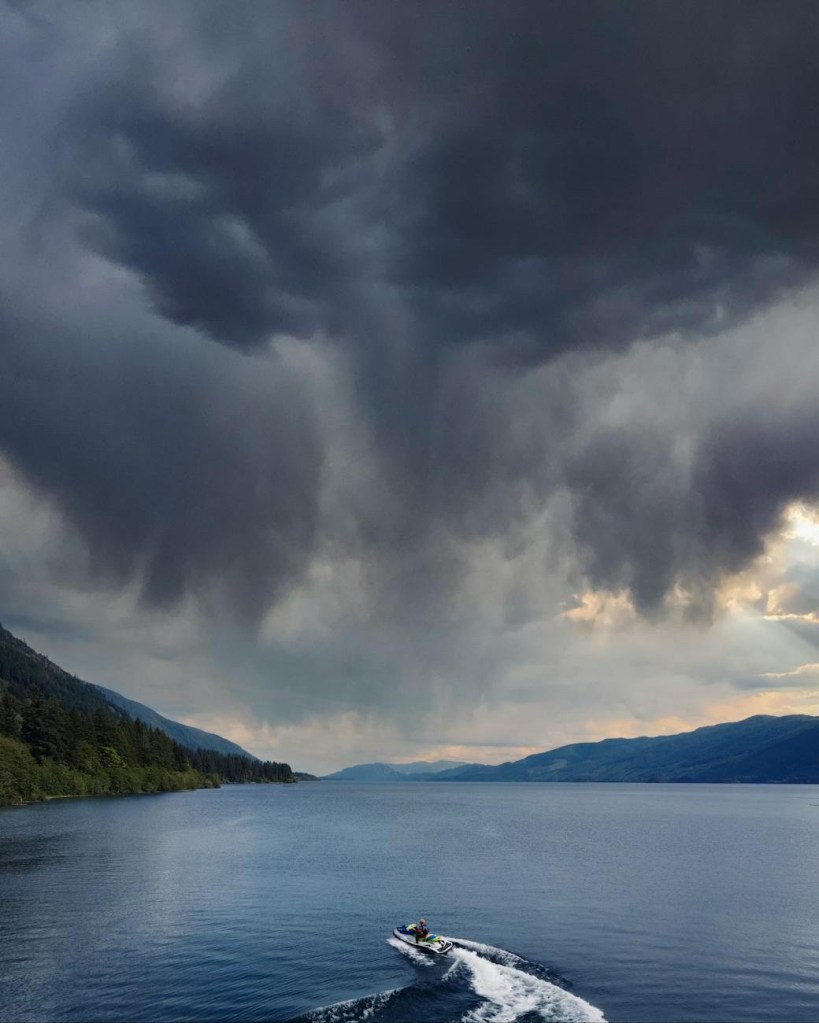
There have been meetings – or rather, there have been decisions made in meetings I was not in. Pathways I have contributed to for years, restructured or finalised without me present. I find out after the fact. Through an email trail I was not originally copied into. My absence, on each occasion, goes unremarked.
I want to be careful here, and honest, because I know something about myself: I catastrophise. I connect dots that may not belong on the same page. I can construct a story of deliberate exclusion from what may simply be administrative oversight – a busy system, an absent-minded cc field, the thousand small failures of coordination that are nobody’s particular fault. I genuinely do not know what is happening in the minds of my colleagues. I do not know their motives. It would be unfair, and probably wrong, to assume the worst of people I have worked alongside for years.
And yet. The feelings the situation produces are real, whatever their cause. I replay the moments. I sit with them late at night and I turn them over, looking for the version of events in which I was less peripheral/optional/easily overlooked. I don’t always find it.
There have been meetings I was invited to with less than five minutes’ notice. No briefing. I logged in, in good faith, to contribute. Someone asked me a question. I answered not quite correctly, not because I lacked understanding, but because I didn’t have the information I would have needed, information I wasn’t given in advance.
The embarrassment was visceral. That evening I thought about that meeting again, replayed it, bit by bit, asking myself where I should have known more, anticipated better, been more prepared. I have to hold that question gently, because I know what I’m like: I have a tendency to look for the failure in myself first, to turn the lens inward before I examine the conditions. Perhaps I could have done something differently. Maybe the conditions were unfair, and I did what anyone could have done with what I was given. Probably both things are true in some proportion I may never be able to calculate exactly.
Another time that week I attended meeting and after a while I genuinely could tell why I was there. In this meeting I observed myself , feeling somewhat like an anthropologist, watching how decisions move through a system – and then me feeling like a spare part. Present. Technically. But serving no load-bearing function I could identify.
Later in the week I attended another meeting. I found my name in the meeting minutes. It was there, and I felt, briefly, relieved. Then I looked more carefully. My name was floating. Untitled. Unanchored. My colleagues’ names were accompanied by their roles, their positions, their authority clearly stated. Mine was not. I know it is a small thing. I know a reasonable person might consider it an administrative oversight, a clerical nothing.
It did not feel small. It felt like a slap in the face.
I mean, the situation could be easily rectified by a word to the minute taker, not rocket science, just clear communication. I wondered – as I always do – whether I was being oversensitive.Whether I am, in the language of catastrophic thinking, making a tidal wave from a ripple. I genuinely don’t know. What I know is that the feeling arrived, and it arrived with force, and I have learned to take my feelings seriously even when I hold my interpretations of them loosely.
Further on in the week, I emailed a very senior colleague about a query I had about changes in clinical management. I was careful and polite. I took a long time over a few sentences, adjusting the tone until it neither asked for too much nor concealed the genuine question underneath: do I still have a place here? The silence that followed said something. I am trying not to decide too confidently what.
There are days when the sea doesn’t just pull at me. It comes over the sides.
I have been physically challenged the body keeps a score. I cracking headaches after intense and overwhelming days. I have abdominal pain that has settled in and doesn’t seem to be going anywhere. In these few weeks my eating habits have been all at see. I have been eat standing up, or seating in front of the computer working , or in the car at a petrol station before my long commute home, because there was no time and then there still wasn’t time. I notice I am eating more sugar, more crisps – small, reliable comforts that ask nothing in return but gleefully push my weight in an upwards direction.

At home I have been correct letters past midnight. I finish reports that could not wait. I am fortunate to have access to a range of tools – dictation software, ambient voice technology – that helps me stay afloat, but I am aware, at some level, of how much energy is going into simply treading water. Whether I can sustain this pace is a question I keep setting aside because setting it aside is easier than answering it.
I attended a CPD session on psychological safety. I listened to a webinar about what good teams look like: eight or nine people, clear roles, shared purpose, genuine equity of voice. I took notes. I nodded. I wrote down the words connection reduces threat and people prefer choice and panic ensues when certainty is not guaranteed.
I thought: yes. Exactly.
And I felt the irony arrive in my chest and sit there – not bitterly, just heavily – because I was writing down a description of something I have not consistently experience and would like to experience more.
Those elephants, I thought. Back with force.
I have asked myself difficult questions in these weeks. Whether I am too quiet where I should be louder, or too much in ways I cannot see. Whether I give off something – some signal, some frequency – that invites being overlooked.
There have been times this past few weeks when I feel genuinely alone at work. I hesitate to keep saying so, because I know how repeated distress can be reframed. How a person who raises their hand too often can become the problem in the story rather than someone trying to navigate one. So I have been measuring my words. Choosing what to voice and what to carry silently.
Last July, after a few weeks that were harder than most, I tried to articulate what it felt like. I found the recordings on my phone.
Sometimes being at work is like being in an oil slick. You leave covered in something mucky and grimy and you need a few days of someone lovingly removing all of it before you can fill yourself again and move.
Sometimes it is like arriving each morning with a sink – plug in – slowly filling with the stress and worry until at some point you have to open it and let it drain away
Sometimes the bad thoughts are like a chain and ball wrapped around your waist in the water, pulling you down until you can barely reach the surface. You need someone to cut that chain and give you buoyancy. To help you reach up toward the light.
The mud is always there. But there used to be more water to dilute it, to make it seem overcomable. Now the water is less and the mud is thicker and I am having to pour more water in
The sea does not have to be the enemy.
The sea does not have to be the enemy
I know this. I have always known this, even when I am furthest from shore, even when the waves are coming over the sides and I am bailing with both hands and wondering how much longer I can keep this up. The sea is also the thing I love. The thing that drew me in the first place. The thing that, on its best days, holds me up without my even having to try.
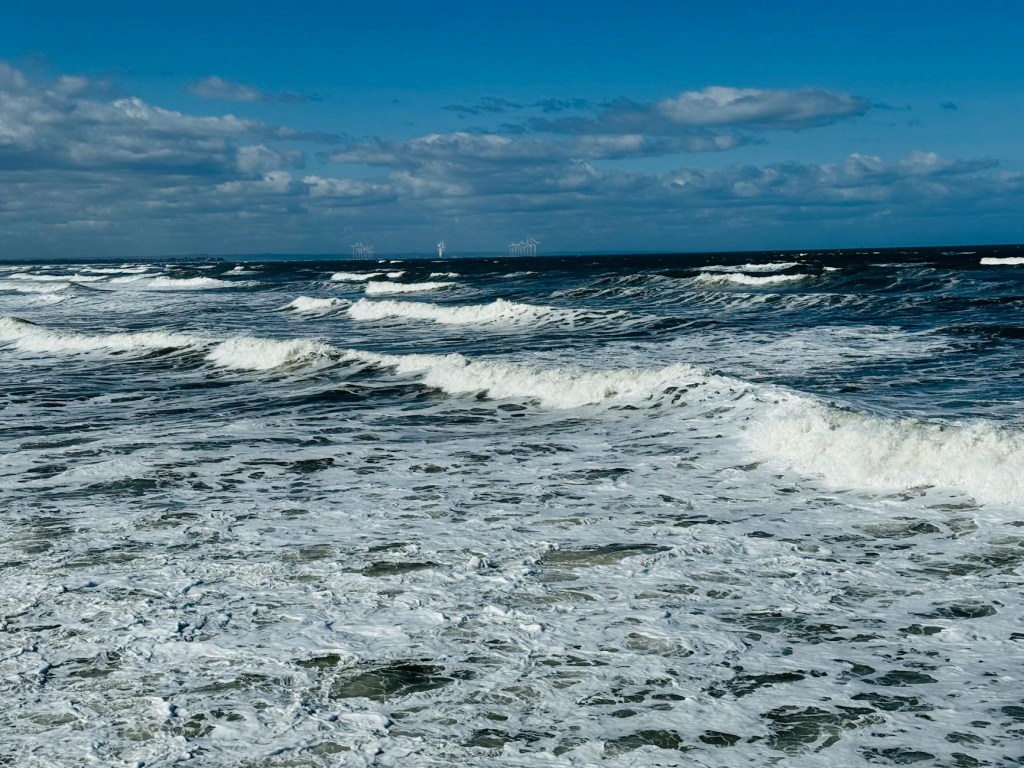
The medicine is still that. The clinical work, the patient in front of me, the family I sit with and think alongside – that is still the water that carries me when I let it. And the people I support, the colleagues I mentor, the younger doctors I walk alongside – they are the thing that reminds me why I came here. When I am with them, I am not a name floating untitled in the minutes. I am useful. Present. Wanted. I can feel it.
That is not nothing. In weeks like these, that is a great deal.
I am not done with this work. The privilege of doing this job, this honour of a lifetime. Not yet.
I cannot pretend that when jarring events happen the impact is neutral – it never has been, and pretending otherwise would be a small betrayal of everything I have written here. But I am also trying to hold it without catastrophe. To notice the hard things without deciding that they are the whole story. To leave grace for the challenged system – navigating its own pressures and constraints – while still taking seriously what I feel and what it is costing me.
I have been shipwrecked before, or something close to it. I have felt the Titanic certainty of a situation going irreversibly wrong, watched the deck tilt and felt the cold water coming. And I have come through. Not untouched, but through.
The anchor is still there. Beneath all of this, the work that gives meaning, the patients who need me, the people I am still here to serve – that is the rope I hold. Not the undertow. The anchor.
For now I am still here, doing the work, trying to remain open-hearted without disappearing entirely.
Trying to let the sea carry me, rather than keep me under.
That, I think, is the task ahead.


